Source eco friendly recycled paper aircraft box for Gifts, Cosmetics, Electronics
Find 30 verified options for eco friendly recycled paper aircraft box designed for gifts, cosmetics, and electronics. Compare customization, materials, and lead times from Chinese manufacturers offering ISO9001 and FSC certified solutions.
Key considerations
Products List


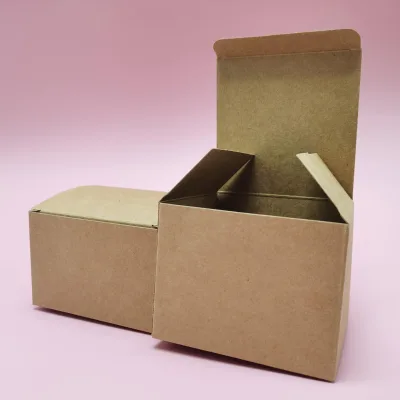
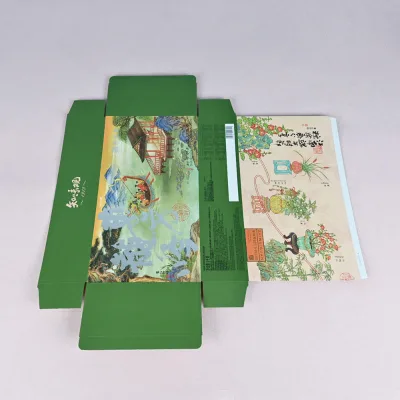

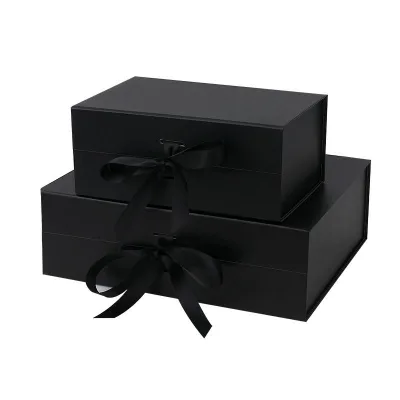
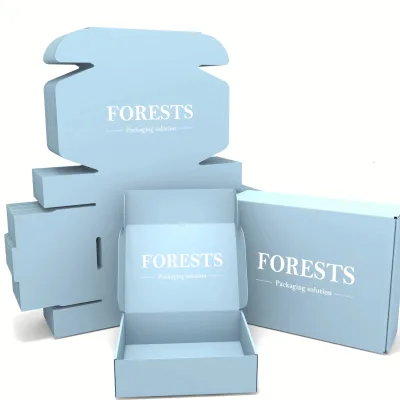


Comprehensive Sourcing Guide
Eco Friendly Recycled Paper Aircraft Box Sourcing Guide
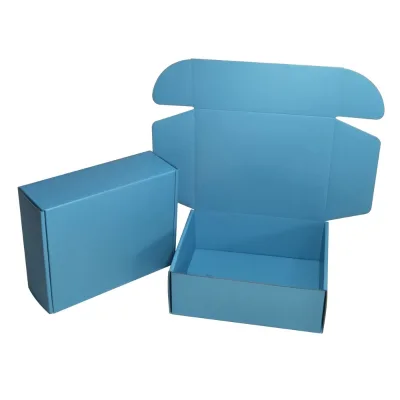
Sourcing eco-friendly recycled paper aircraft boxes requires a strategic balance between sustainable material integrity and structural performance. These packaging solutions are primarily constructed from double-wall corrugated paperboard, a material choice that offers enhanced durability for heavier or more fragile items while maintaining a lower environmental footprint compared to virgin fiber alternatives. Buyers must recognize that the term "aircraft box" in this context often refers to the structural rigidity and protective qualities of the packaging rather than aerospace-grade components. The core appeal lies in the use of recycled materials, which aligns with corporate sustainability goals and meets the growing consumer demand for environmentally responsible packaging. However, the specific composition can vary, with some suppliers offering kraft paper combined with corrugated layers, while others utilize pure recycled paper or specific flute types like E or F flute for finer detail and surface smoothness.
The procurement process for these boxes involves navigating a wide range of customization options and technical specifications. Observed market signals indicate that manufacturers frequently offer customizable sizes, logos, and printing modes, allowing brands to tailor the packaging to their specific aesthetic and functional needs. The shape is predominantly rectangular, suitable for standard carton applications, but the internal structure can be adapted for various uses ranging from cosmetics and electronics to gifts and arts and crafts. Buyers should be aware that while the base material is recycled, the final product may include coatings or surface treatments to enhance print quality or moisture resistance. Understanding these variations is crucial for ensuring that the packaging not only looks good but also performs adequately during storage and transit.
Product Scope and Observed Listing Signals
The product scope for eco-friendly recycled paper aircraft boxes encompasses a diverse array of packaging types, primarily identified as cartons or custom boxes. Listings frequently highlight the availability of existing samples, which is a critical signal for buyers to verify material quality and structural integrity before committing to large orders. The observed price range in the market is quite broad, spanning from very low-cost options to higher-end customized solutions, reflecting the variability in material thickness, printing complexity, and order volume. This price dispersion underscores the importance of defining clear specifications early in the sourcing process to avoid unexpected costs. Buyers should note that the term "aircraft box" may be used loosely to describe sturdy, protective packaging rather than a specific industry-standard item, so visual inspection of sample boxes is essential.
Observed listing signals also reveal a strong emphasis on customization capabilities, with many suppliers offering logo printing, color designs, and specific structural modifications. The usage categories mentioned in listings include gifts, cosmetics, arts and crafts, electronics, and general express shipping, indicating the versatility of these recycled paper boxes. Some products are marketed as subscription boxes or mystery boxes, suggesting a focus on unboxing experiences and brand presentation. The printing modes vary from single-color to full-color designs, and the surface handling options include both printed and unprinted finishes. Buyers should pay close attention to these signals to determine if the supplier’s capabilities align with their branding and functional requirements, particularly if they need specialized features like antitheft mechanisms or specific display placements for retail environments.
Technical Specifications to Verify
When verifying technical specifications, buyers must prioritize the material composition and structural design of the recycled paper aircraft boxes. The core material is often listed as recycled material, with specific mentions of kraft paper combined with corrugated layers or pure corrugated cardboard. It is essential to confirm the type of corrugation, such as E flute or F flute, as these finer flutes provide a smoother surface for high-quality printing and better crush resistance for smaller items. The classification as double-wall corrugated paperboard suggests a higher level of durability, but buyers should verify the exact burst strength and edge crush test ratings if available, as these metrics directly impact the box’s ability to protect contents during shipping. Additionally, the shape is typically rectangular, but the internal dimensions and wall thickness should be customized to fit the specific product being packaged.
Printing and finishing specifications are equally critical for brand representation and product protection. Buyers should verify the printing mode, which can range from simple logo printing to complex, colorful designs on both sides of the box. The surface handling options, such as coating or lamination, can affect the box’s resistance to moisture and handling wear. It is important to confirm whether the coating is eco-friendly and compatible with the recycled material base, as some chemical coatings can hinder the recyclability of the final product. The customization of size is a key feature, with many suppliers offering standard or custom dimensions to optimize space and reduce shipping costs. Buyers should also check the packaging method for the boxes themselves, whether they are packed in cartons, with PE film, or in other protective layers, to ensure they arrive in pristine condition.
Compliance and Safety Documentation
Compliance and safety documentation are vital for ensuring that the eco-friendly recycled paper aircraft boxes meet international standards and regulatory requirements. Buyers should request certificates such as ISO9001 for quality management, RoHS for restriction of hazardous substances, SGS for general testing and inspection, and FSC for forest stewardship. These certifications provide assurance that the supplier adheres to recognized quality and environmental standards, which is particularly important for brands targeting eco-conscious consumers. The FSC certification, in particular, verifies that the paper fibers come from responsibly managed forests, reinforcing the sustainability claims of the product. Buyers should verify the validity of these certificates and ensure they cover the specific products being ordered, as certifications can sometimes be broad and not applicable to all product lines.
In addition to certifications, buyers should inquire about the safety and non-toxic nature of the inks and coatings used in the printing process. Since these boxes are often used for cosmetics, gifts, and food-adjacent products, it is crucial to ensure that the materials do not leach harmful chemicals. The RoHS certification helps mitigate this risk by restricting the use of specific hazardous materials, but buyers should also ask for material safety data sheets (MSDS) if available. Furthermore, the antitheft features mentioned in some listings should be verified for effectiveness and compliance with local security standards. Buyers should also consider the end-of-life disposal of the packaging, ensuring that the recycled content and coatings do not complicate recycling processes in the destination market.
Cost Drivers and Commercial Terms
Cost drivers for eco-friendly recycled paper aircraft boxes include material costs, customization complexity, order volume, and shipping logistics. The use of recycled materials can sometimes be more expensive than virgin paper due to the processing required to achieve consistent quality, but this cost can be offset by economies of scale. Customization, such as specific sizes, unique printing designs, and special coatings, adds to the production cost. Buyers should negotiate based on their expected order volume, as the observed MOQ ranges from 100 to 5000 units, with some suppliers offering lower MOQs for sample orders or initial trials. Understanding the cost breakdown helps buyers identify areas where they can save money without compromising quality, such as standardizing sizes or simplifying printing designs.
Commercial terms, including lead times and payment conditions, are also significant factors in the procurement process. Observed lead times range from 5 to 25 days, depending on the complexity of the order and the supplier’s production capacity. Buyers should plan their inventory accordingly to avoid stockouts, especially during peak seasons. The availability of free existing samples is a valuable commercial term that allows buyers to assess quality before placing a large order. Shipping options, including express, air, and ocean freight, should be evaluated based on urgency and cost. Buyers should also clarify the packaging method for the boxes themselves, as improper packing can lead to damage during transit, resulting in additional costs and delays.
Supplier Qualification and Quality Control
Supplier qualification is a critical step in ensuring the reliability and consistency of eco-friendly recycled paper aircraft boxes. Buyers should verify the supplier’s production capabilities, including their machinery, quality control processes, and experience with recycled materials. The presence of certifications like ISO9001 and FSC is a strong indicator of a supplier’s commitment to quality and sustainability. Buyers should also assess the supplier’s responsiveness and communication skills, as these factors can impact the smooth execution of the order. Requesting references or case studies from previous clients can provide additional insights into the supplier’s performance and reliability. It is also advisable to conduct a factory audit, either in person or through a third-party inspection service, to verify the supplier’s claims and ensure they meet the buyer’s standards.
Quality control measures should be established to monitor the production process and ensure the final product meets the specified requirements. Buyers should define clear quality standards, including dimensions, material thickness, print quality, and structural integrity. Regular inspections during production and before shipment can help identify and rectify any issues early. The availability of samples is a key quality control tool, allowing buyers to verify the product before mass production. Buyers should also establish a process for handling defects or non-conforming products, including clear guidelines for returns, replacements, or refunds. By implementing robust quality control measures, buyers can minimize the risk of receiving substandard products and maintain the integrity of their brand.
Long-Term Procurement Checks
Long-term procurement checks involve continuous monitoring of supplier performance, market trends, and regulatory changes. Buyers should regularly review supplier performance metrics, such as on-time delivery rates, product quality, and responsiveness to issues. Establishing a scorecard system can help track these metrics and identify areas for improvement. Buyers should also stay informed about changes in sustainability regulations and consumer preferences, as these factors can impact the demand for eco-friendly packaging. Engaging in regular communication with suppliers can help build a strong partnership and ensure that both parties are aligned on goals and expectations. Buyers should also consider diversifying their supplier base to mitigate risks associated with single-source dependency.
Additionally, buyers should periodically reassess their packaging requirements to ensure they remain aligned with their product offerings and brand strategy. As products evolve, the packaging needs may change, requiring adjustments in size, material, or design. Buyers should also monitor cost trends and negotiate favorable terms with suppliers based on long-term volume commitments. By maintaining a proactive approach to procurement, buyers can ensure a steady supply of high-quality, eco-friendly recycled paper aircraft boxes that meet their business needs and sustainability goals. Regular audits and feedback loops with suppliers can help drive continuous improvement and innovation in packaging solutions.
FAQs
What certifications do the recycled paper boxes have?
The boxes hold ISO9001, RoHS, SGS, and FSC certifications. These standards ensure quality management, environmental compliance, and sustainable sourcing for your procurement needs.
Can I customize the size and logo on these boxes?
Yes, customization is available for both size and logo printing. You can request specific dimensions and have your design printed on the surface to match your brand identity.
What is the minimum order quantity for these products?
The minimum order quantity ranges from 500 to 1000 units depending on the specific model. Some items require 500 pieces while others start at 1000 units for production.
How long does it take to produce and ship the order?
Production lead time typically takes between 5 to 25 days. Shipping options include express, air, and ocean freight to deliver your customized boxes to your destination.
Are existing samples available for free before placing an order?
Yes, existing samples are provided free of charge for evaluation. This allows you to verify the quality and specifications of the corrugated cardboard before committing to a bulk purchase.
What materials are used to make these eco-friendly boxes?
The boxes are made from recycled material, kraft paper, and corrugated cardboard. They utilize E flute and F flute structures to ensure durability while maintaining an eco-friendly profile.
Where are these paperboard boxes manufactured and shipped from?
These products originate from China and are packed in cartons or custom packaging. They are shipped via express, air, or ocean freight to reach international buyers efficiently.